
In this guide, we present the 15 best SEO tools reviewed in 2026, tested through real-world keyword research, technical SEO audits, backlink analysis, content optimization, and rank tracking. In order to be successful in the sphere of SEO now, you require real data and real insights, not assumptions and general advice.
Each tool has been tested in terms of keyword research, technical sector, backlink investigation, content optimization, and rank tracking to make sure that our review is applied to practice. These are also considered the best SEO tools for digital marketing teams looking to scale campaigns, track performance, and improve ROI.
You will have a clear picture of advantages, disadvantages, costs and the unique situations that each tool is best at. So if you are a novice just starting your first blog or even a small business looking to gain local fame or just an enterprise level marketing team taking the logistics of hundreds of pages, this guide can help you make the correct choice of tools that suit your needs.
SHORT SUMMARY
Here’s what this guide covers:
- Top 15 SEO tools reviewed and tested in practice.
- Keywords research, technical search and optimization tools, backlinks, and content optimization tools.
- Best search engine optimization tools (newcomers and online marketing teams).
- Comparison of free and paid SEO tools.
- Pros, cons, honesty, and the tool each is most appropriate.
- The decision making buyer checklist to follow in order to select an appropriate SEO tool.
On average, organic search contributes more than 53% of the overall traffic to websites, and that is why the selection of the appropriate SEO tools is a crucial component of the increase of the digital presence.
The top best SEO tools reviewed on the basis of real-world testing, performance benchmarks, and expert analysis are covered in this guide. We point out the most user-friendly tools, the ones that are best in their price, and the ones that are best suited to a digital marketing team that needs to scale the content and ranking processes quickly.
We will give examples, case studies, and tips on how to use these tools to achieve measurable results along the way, so you can base any decision that you make on working rather than wasting time and money.
To the point, this post can be recommended to both digital marketers and business owners as well as SEO beginners. Timely need to increase traffic, monitor the performance of keywords, enhance your technical SEO, or content to achieve the maximum visibility? This guide will provide all that you need to select the best SEO tools to make your website successful in 2026.
What Is an SEO Tool? (Quick Refresher)
SEO tool is a computer program or a platform that can assist you to enhance the visibility and performance of your website in search engines. These tools help you make informed choices and also give you insights on actionable information on keywords, backlinks, site health, ranking progress, content optimization opportunities, and so on, as opposed to making assumptions on what will work.
The appropriate SEO tool can assist you with your growth opportunities, technical problems, and competitive environment, regardless of your experience or lack thereof as a marketer.
No single tool does everything perfectly. The vast majority of the professionals use more than one SEO tool to conduct research and implementation and reporting, since they all are better at some part of the job, some of the tools have stronger ability to perform a research on keywords, some do better at backlinks, technical auditing or content optimization. Knowing the advantages of each tool is a guarantee that your search engine optimization will be all-inclusive, precise, and successful.
Core Functions of an SEO Tool
In the best of it, an SEO tool must enable you to:
- Uncover search terms – Learn the search terms that your target audience is researching, evaluate search volume, challenge, and purpose, and find new content creation opportunities.
- Audit technical issues – Check your website for crawl errors, broken links, page speed issues, duplicate content, and other factors that can affect search rankings.
- Competitors analysis – Learn what keywords and back links are being used by your competitors, what opportunities exist in your own strategy and what opportunities can be exploited to beat your competitors.
- Track ranking by time – see how your website is ranking, what is the effectiveness of your SEO campaign and can you make changes based on the trends.
- Streamline pages – maximize content quality, make pages user-friendly, site user-intent, and optimize pages to current search engine standards.
Stated briefly, any person who is serious about an increase in organic traffic must have SEO tools. They are time-saving, they enhance the process of decision-making and marketers can measure ROI. The selection of the appropriate set of tools guarantees that you will address the areas of keyword research, technical health, content optimization, and competitor insights all of which are essential to the successful SEO strategy.
15 Best SEO Tools Reviewed – Quick Comparison
The following table not only shows the basic features, pricing, and skill level for each tool but also highlights why each one is essential for different types of SEO tasks. This allows you to quickly identify which tools match your goals, experience, and budget.
| Tool | Best For | SEO Category | Free Trial | Starting Price | Skill Level |
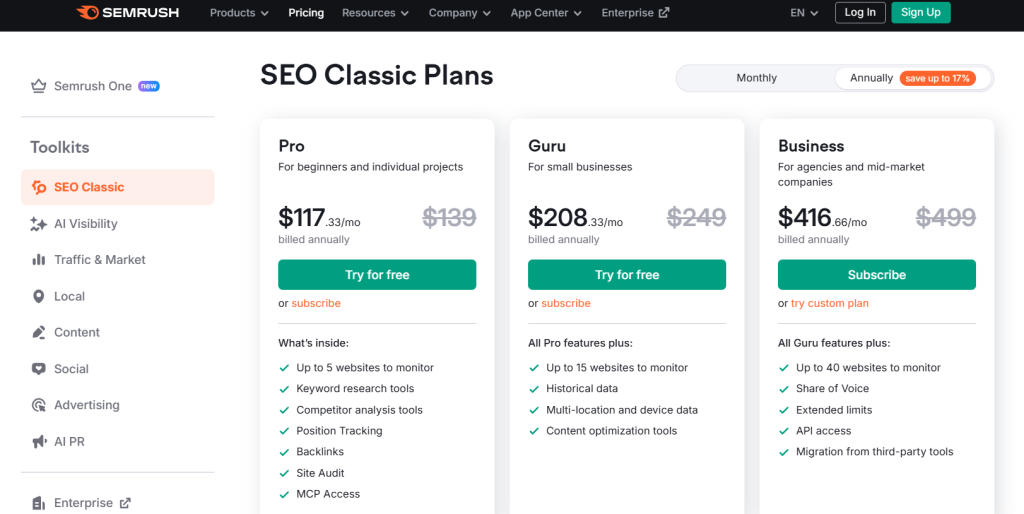
| Semrush | All-in-one platform | Research & audit | Yes | $117.33/mo | Beginner→Pro |
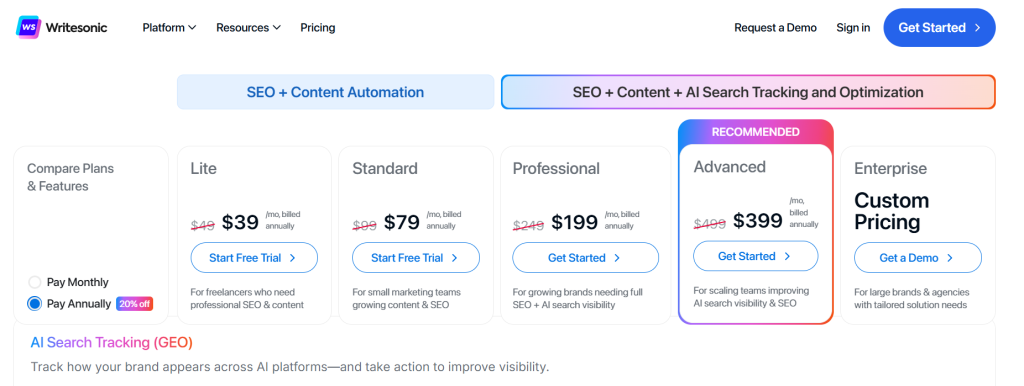
| Writesonic | AI content creation | Content optimization | Yes | $39/mo | Beginner→Pro |
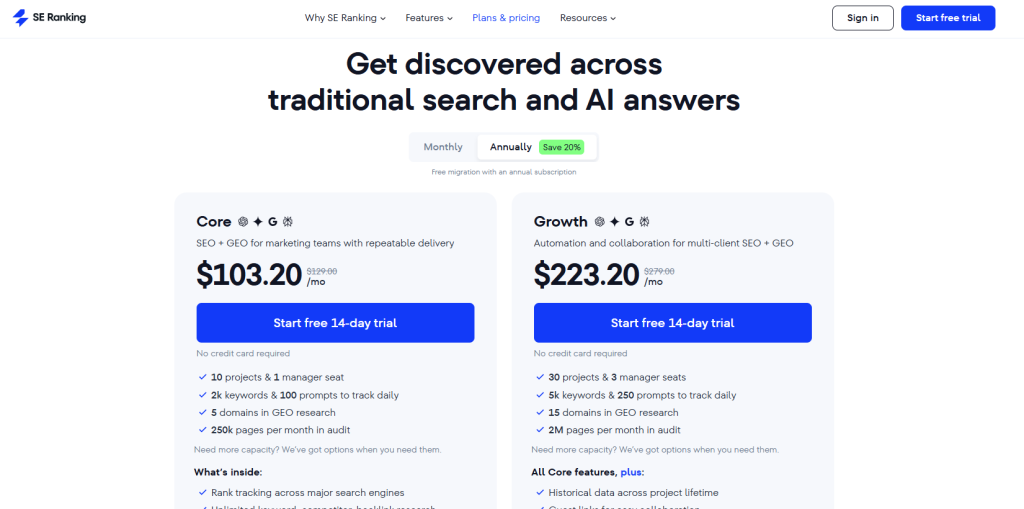
| SE Ranking | Value bundle | All-in-one with local SEO | Yes | $103.20/mo | Beginner→Intermediate |
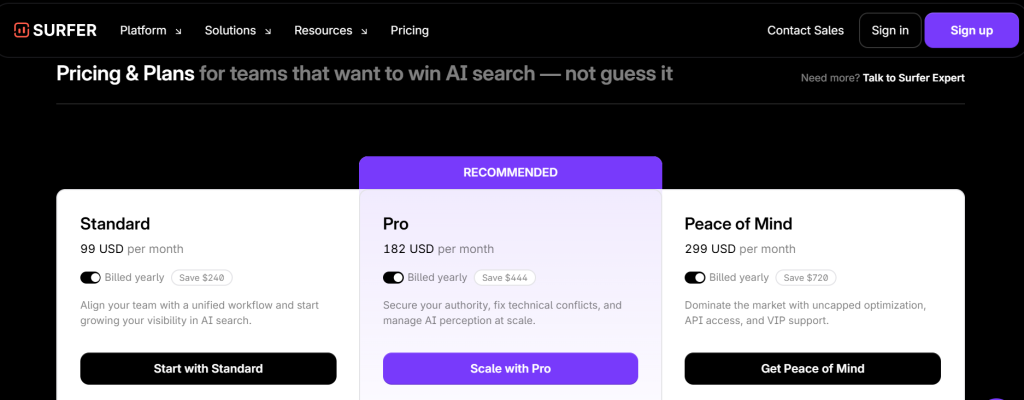
| Surfer | Content optimization | Content + SERP analysis | Yes | $99/mo | Beginner→Pro |
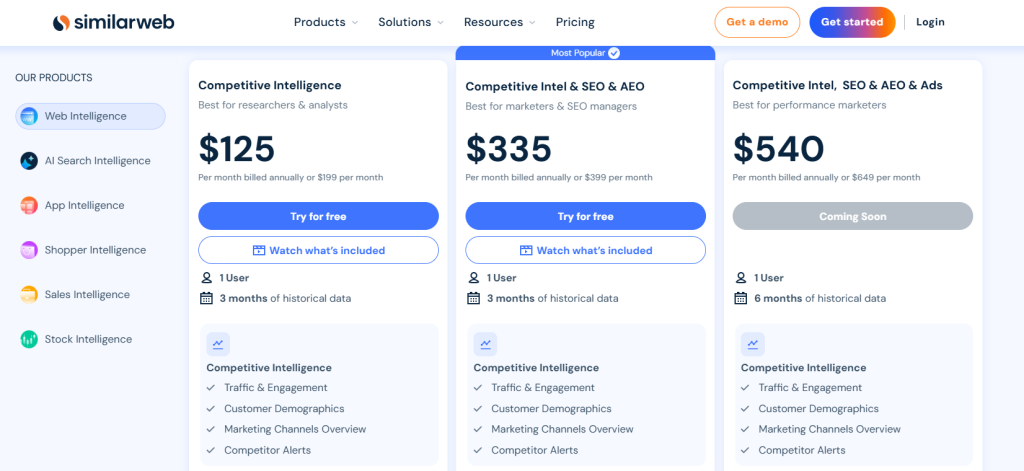
| SimilarWeb | Competitor analysis | Market & traffic insights | Yes | $125/mo | Intermediate→Pro |
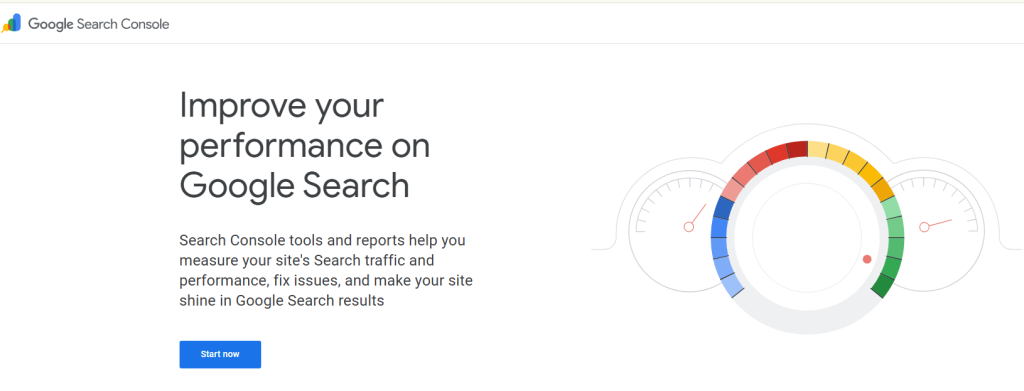
| Webmaster Tools | Technical SEO | Site indexing & monitoring | Free | Free | Beginner |
| Nightwatch | Rank tracking | SEO monitoring | Yes | $39/mo | Beginner→Pro |
| Whatagraph | Reporting & analytics | Visual reporting | Yes | 199€/mo | Beginner→Pro |
| Pitchbox | Outreach & link building | Backlink management | Yes | $165/mo | Intermediate→Pro |
| KeySearch | Keyword research | Keyword & SEO analysis | Yes | $24/mo | Beginner→Intermediate |
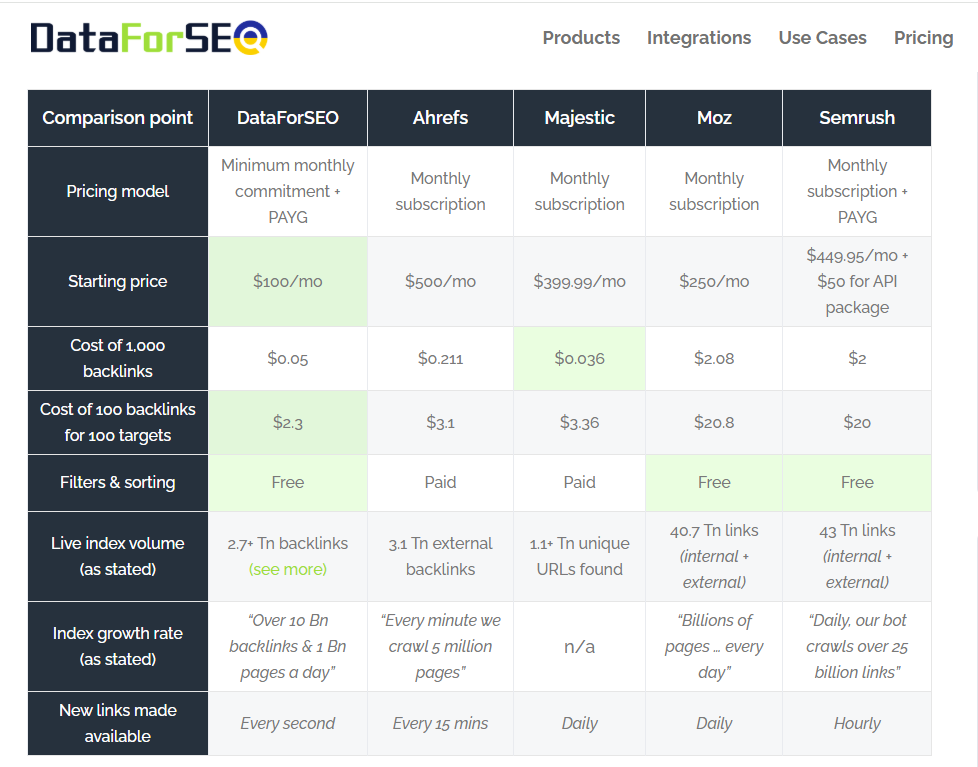
| DataforSEO | Data & API | Keyword & SERP API | Yes | $100/mo | Intermediate→Pro |
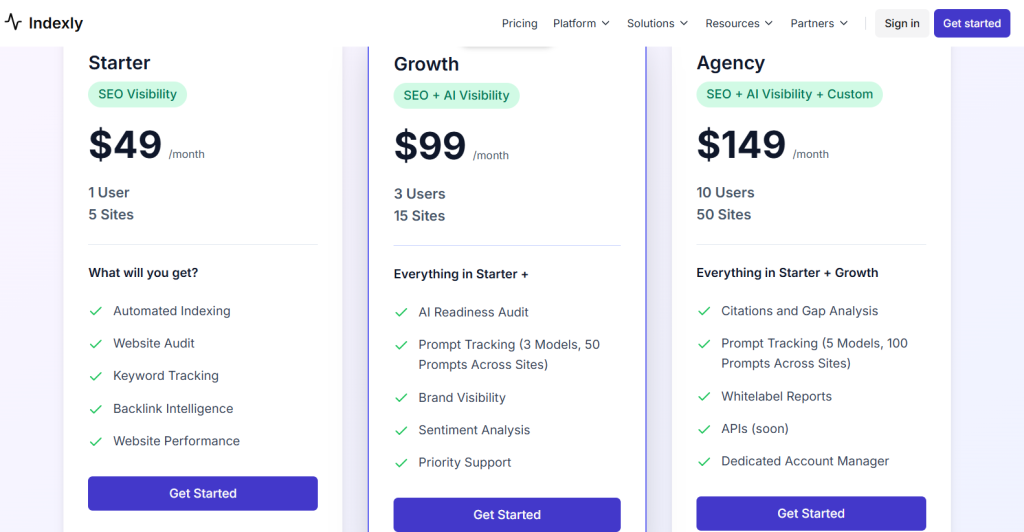
| Indexly | Technical & analytics | SEO auditing | Yes | $49/mo | Beginner→Pro |
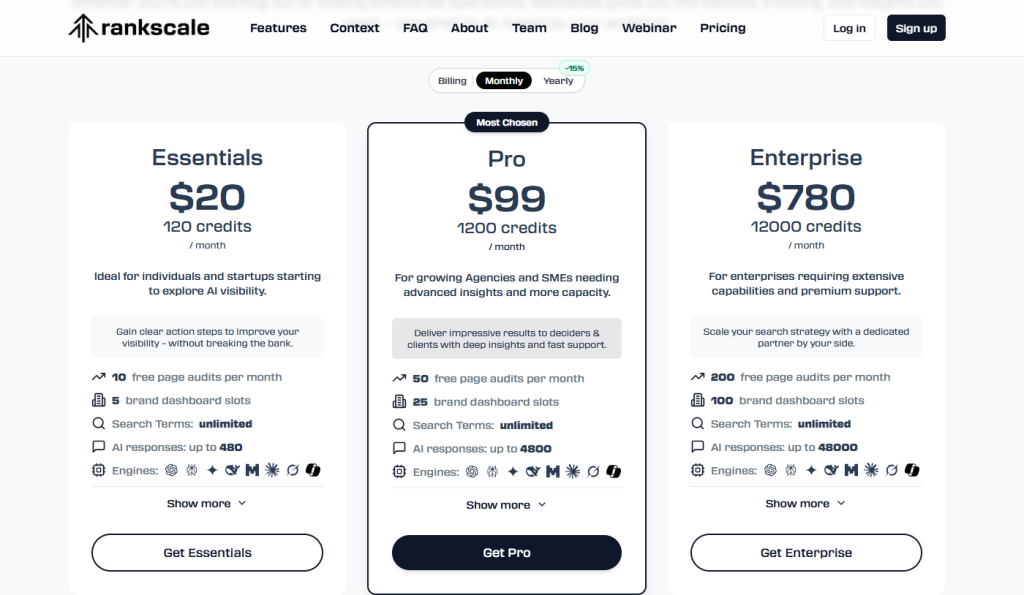
| Rankscale.ai | AI-powered SEO | Rank tracking & insights | Yes | $20/mo | Beginner→Intermediate |
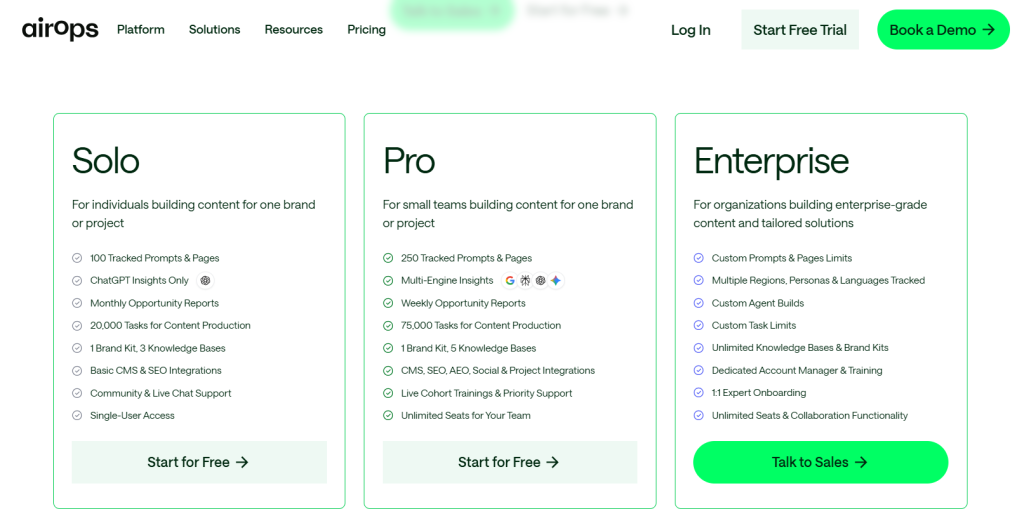
| AirOps | Automation & SEO | Workflow automation | Yes | $0/mo | Intermediate |
| Gumloop | SEO toolkit | All-in-one SEO | Yes | $0/mo | Beginner→Intermediate |
15 Best SEO Tools Reviewed (In-Depth Reviews)
Semrush
Overview: Semrush is a comprehensive all-in-one SEO platform that covers keyword research, technical audits, backlink tracking, content optimization, and competitor analysis.
Best use case: Agencies, digital marketing teams, or large websites needing a robust, scalable SEO solution.
Key features: Keyword research, site audits, rank tracking, backlink analysis, content optimization, competitor insights.
Pros & cons:
- Pros: Extensive feature set, accurate data, customizable reports.
- Cons: Higher price point, can be overwhelming for beginners.
Pricing: $117.33/mo
Who should use it: Agencies, enterprises, and professional SEO teams.

Writesonic
Overview: AI-powered content creation tool that helps generate SEO-focused articles, blog posts, and marketing copy.
Best use case: Content marketers or bloggers looking to speed up content production.
Key features: AI-generated content, SEO optimization suggestions, topic generation.
Pros & cons:
- Pros: Fast content generation, supports multiple content types.
- Cons: AI content may need human editing for quality and tone.
Pricing: $39/mo
Who should use it: Bloggers, marketers, small teams needing scalable content production.

SE Ranking
Overview: Affordable all-in-one SEO platform with rank tracking, site audits, keyword research, and backlink monitoring.
Best use case: Small businesses or local SEO campaigns.
Key features: Rank tracking, SEO audit, keyword research, backlink monitoring, white-label reporting.
Pros & cons:
- Pros: Budget-friendly, user-friendly, supports local SEO.
- Cons: Advanced features less robust than Semrush/Ahrefs.
Pricing: $103.20/mo
Who should use it: Small businesses, local marketers, beginners to intermediate users.

Surfer
Overview: On-page content optimization tool using SERP analysis and AI recommendations.
Best use case: Content marketers aiming to improve SEO performance of existing or new pages.
Key features: Content scoring, keyword suggestions, SERP analysis, AI recommendations.
Pros & cons:
- Pros: Improves on-page SEO, actionable suggestions, easy to use.
- Cons: Limited to content optimization; no backlink features.
Pricing: $99/mo
Who should use it: Content teams, bloggers, marketers focused on on-page SEO.

SimilarWeb
Overview: Competitor and market analysis platform providing traffic insights and industry benchmarking.
Best use case: Businesses seeking competitive intelligence and market trends.
Key features: Website traffic data, competitor benchmarking, industry analysis.
Pros & cons:
- Pros: Accurate competitor data, useful for market research.
- Cons: Expensive, limited SEO-specific features.
Pricing: $125/mo
Who should use it: Agencies, digital marketing strategists, enterprise teams.

Google Search Console
Overview: Free technical SEO tool by Google for site indexing, performance, and crawling insights.
Best use case: Beginners or small websites needing essential SEO insights without cost.
Key features: Index coverage, sitemap submission, crawl error detection, performance reports.
Pros & cons:
- Pros: Free, direct from Google, essential for beginners.
- Cons: Limited features beyond technical insights.
Pricing: Free
Who should use it: Beginners, small businesses, bloggers.

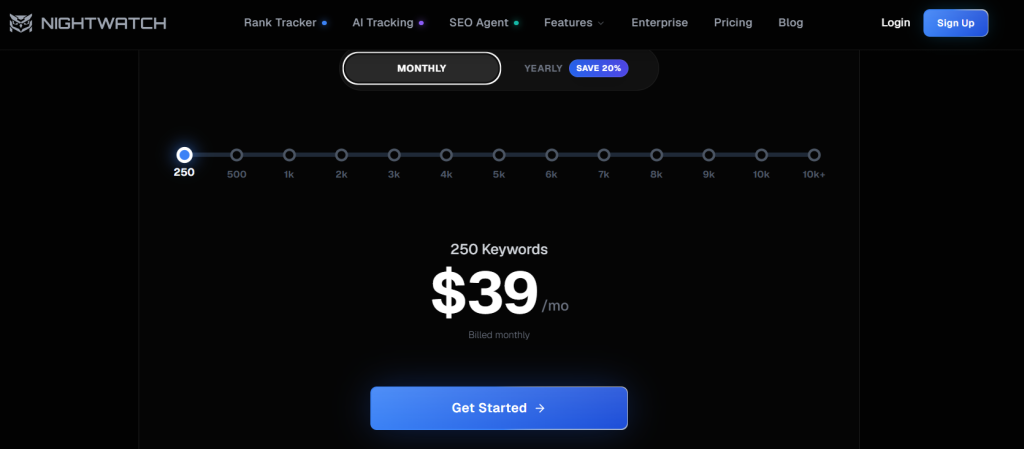
Nightwatch
Overview: Rank tracking and SEO monitoring platform for multiple locations, devices, and search engines.
Best use case: Businesses tracking keyword performance and SERP changes.
Key features: Rank tracking, SERP feature monitoring, competitor analysis, reports.
Pros & cons:
- Pros: Accurate tracking, multi-location support.
- Cons: No content optimization features.
Pricing: $39/mo
Who should use it: SEO professionals and marketers monitoring keyword performance.

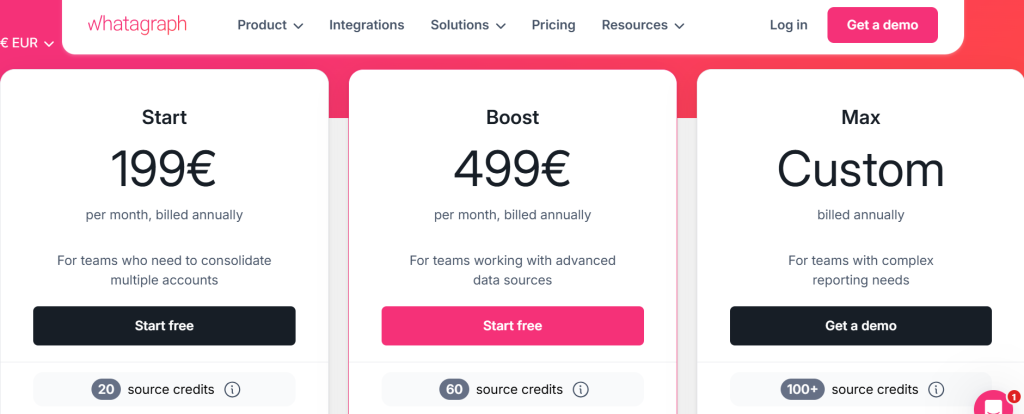
Whatagraph
Overview: Visual reporting tool for SEO and marketing metrics, without affiliate integration.
Best use case: Agencies and marketers needing client-friendly SEO dashboards.
Key features: Automated reporting, custom dashboards, multi-source data integration.
Pros & cons:
- Pros: Clear visuals, easy to share with clients.
- Cons: No direct SEO research or audit capabilities.
Pricing: 199€/mo
Who should use it: Agencies, reporting-focused teams, marketers needing visual dashboards.

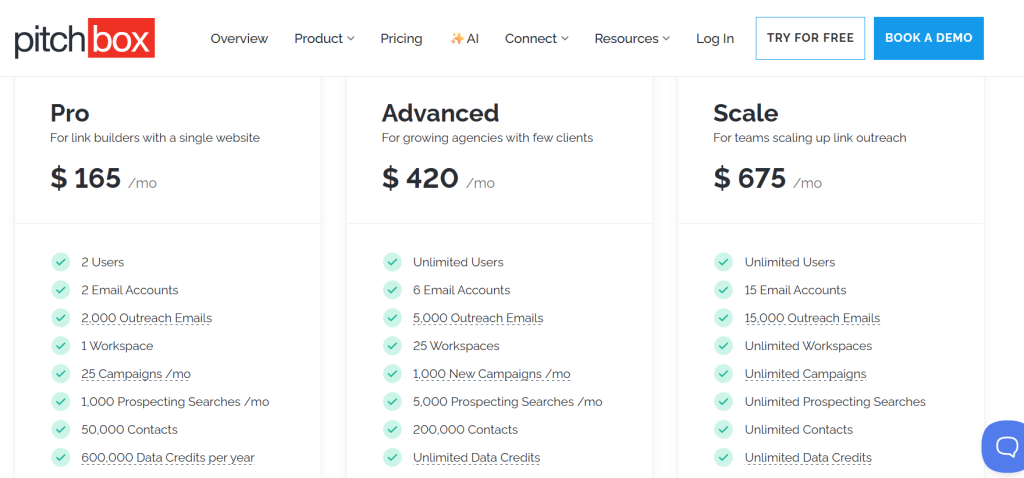
Pitchbox
Overview: Outreach and link-building platform for acquiring high-quality backlinks.
Best use case: Link-building campaigns for SEO growth.
Key features: Email outreach automation, prospecting, campaign management.
Pros & cons:
- Pros: Saves time, scalable outreach.
- Cons: No content creation or analytics features.
Pricing: $165/mo
Who should use it: SEO specialists focused on backlink acquisition.

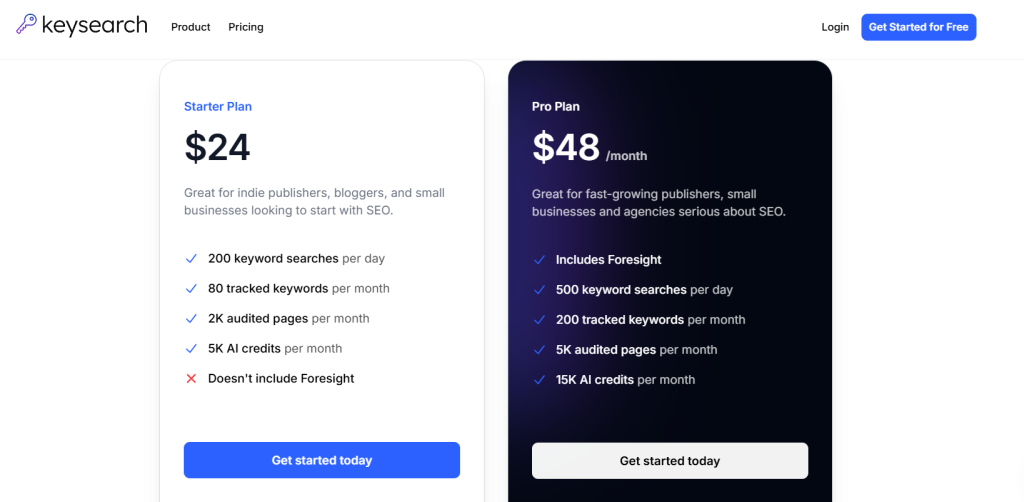
KeySearch
Overview: Keyword research and SEO analysis tool for small businesses and bloggers.
Best use case: Finding low-competition keywords and analyzing SEO opportunities.
Key features: Keyword research, SERP analysis, SEO metrics.
Pros & cons:
- Pros: Affordable, beginner-friendly.
- Cons: Limited advanced features.
Pricing: $24/mo
Who should use it: Beginners, small business owners, solo bloggers.

DataforSEO
Overview: Data and API provider for keyword, SERP, and backlink analytics.
Best use case: Developers or SEO tools needing raw data for integration.
Key features: Keyword and SERP APIs, backlink data, large-scale SEO data.
Pros & cons:
- Pros: Developer-friendly, flexible data integration.
- Cons: Requires technical knowledge to use.
Pricing: $100/mo
Who should use it: Developers, SEO platforms, data-driven marketers.

Indexly
Overview: Technical SEO and analytics platform for auditing and monitoring site performance.
Best use case: SEO teams needing comprehensive site audits and health monitoring.
Key features: SEO audits, technical analysis, site monitoring.
Pros & cons:
- Pros: Detailed audits, actionable insights.
- Cons: Interface may be complex for beginners.
Pricing: $49/mo
Who should use it: Intermediate to advanced SEO professionals.

Rankscale.ai
Overview: AI-powered SEO platform offering rank tracking and insights.
Best use case: AI-driven performance monitoring and SEO insights.
Key features: Rank tracking, AI recommendations, keyword insights.
Pros & cons:
- Pros: AI-powered automation, easy to scale.
- Cons: Limited content optimization tools.
Pricing: $20/mo
Who should use it: Small businesses, marketers exploring AI-based SEO.

AirOps
Overview: Workflow automation platform integrating SEO tasks and analytics.
Best use case: Automating repetitive SEO processes for efficiency.
Key features: Workflow automation, data integration, reporting.
Pros & cons:
- Pros: Saves time, centralizes tasks.
- Cons: Not a traditional SEO research tool.
Pricing: $0/mo
Who should use it: Agencies, teams managing multiple SEO workflows.
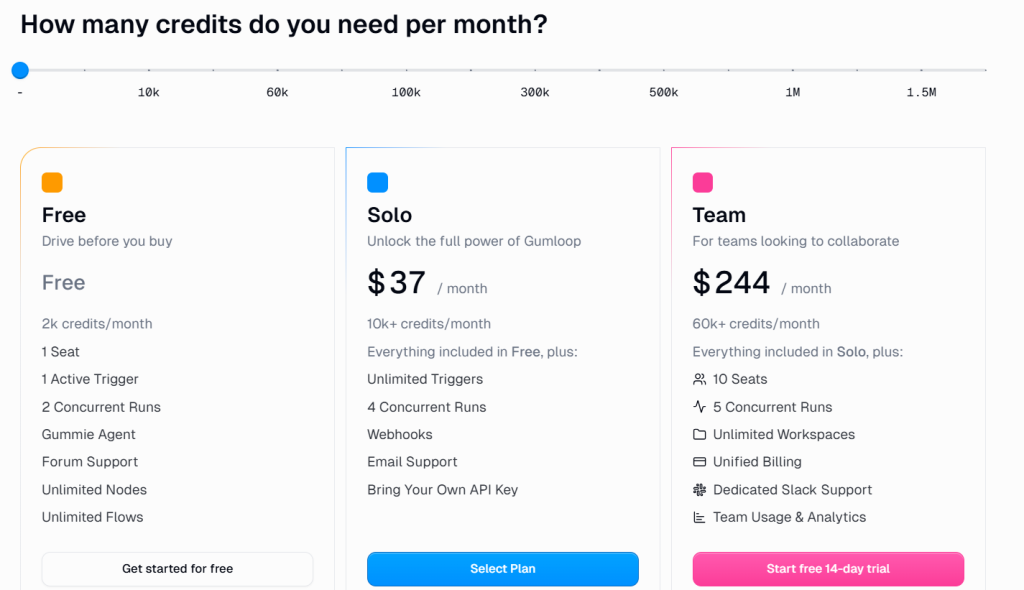
Gumloop
Overview: All-in-one SEO toolkit for keyword research, audits, and monitoring.
Best use case: Small teams or businesses seeking a single platform for SEO tasks.
Key features: Keyword research, SEO audits, rank tracking, reporting.
Pros & cons:
- Pros: Consolidates multiple SEO tasks, beginner-friendly.
- Cons: Less advanced than enterprise-level tools.
Pricing: $0/mo
Who should use it: Small businesses, beginner-to-intermediate marketers.

Featured Article: AI Chatbots to Use on a Website in 2026 (Free and Paid Tools Compared)
Types of SEO Tools (Intent-Clustering Section)
These various types of SEO tools are important in developing an effective and strong SEO stack. Each kind of tool has a purpose, and understanding their strengths will enable you to use them in combination to get the most. Each category covers essential aspects of SEO that contribute to site popularity, traffic, and conversions.
Keyword Research Tools
Keyword research tools assist in finding the search terms your audience is searching for, search volume, competition, search intent, and untapped opportunities. Such tools are essential for content strategy, SEO planning, and audience targeting.
- Best when: You need to identify new keywords, understand trends, create content calendars, and develop long-tail keywords.
- Top tools: Ahrefs, Semrush, Keyword Tool.io, Ubersuggest, Writesonic, KeySearch, DataforSEO, Indexly, Rankscale.ai, AirOps, Gumloop
- Why they matter: Correct keyword data ensures your site focuses on traffic-generating, high-conversion terms. You can also analyze competitor keywords and identify opportunities to outrank them.
Technical SEO & Site Audit Tools
Technical SEO tools scan your web pages and identify issues like broken links, slow loading, missing meta tags, duplicate content, crawl errors, and mobile usability problems.
- Best for: Ensuring your site is fully crawlable, fast, mobile-friendly, and error-free.
- Top tools: Screaming Frog, SE Ranking, Sitebulb, Google Search Console
- Why they matter: Sites with fewer technical issues rank higher, and page speed affects user experience and conversions. Audits help prioritize fixes and maintain site integrity.
Rank Tracking Tools
Rank tracking tools monitor your website’s position for keywords across search engines, locations, and devices.
- Best for: Monitoring keyword performance, SERP features, and competitor positions.
- Top tools: Semrush, Ahrefs, RankMath, SE Ranking, Nightwatch
- Why they matter: Tracking rankings allows data-driven adjustments, measuring ROI, and seeing the impact of content or algorithm changes.
Backlink Analysis Tools
Backlink analysis tools analyze your link profile, referring domains, anchor text, and link authority. They help detect toxic links and identify link-building opportunities from high-authority sources.
- Best for: Evaluating link quality, competitor backlink strategies, and identifying outreach or guest posting opportunities.
- Top tools: Ahrefs, Majestic, Moz Pro, Pitchbox, Whatagraph
- Why they matter: High-quality backlinks improve rankings. These tools allow you to measure domain authority, disavow harmful links, and gain a competitive edge.
Content Optimization & AI SEO Tools
Content optimization tools ensure your content meets modern search engine and user expectations. AI-powered tools go beyond keyword density to analyze intent, optimize readability, and structure content for SERP features. Explore Best AI content writing tools for business.
- Best for: Creating content that ranks, improving existing pages, and optimizing for search intent.
- Top tools: Surfer SEO, Frase, Clearscope, Writesonic
- Why they matter: Optimized, high-quality content improves rankings and engagement. AI tools accelerate content creation while maintaining relevance.
Features include:
- Content scoring and readability analysis
- Semantic relevance checks
- AI-generated content briefs and outlines
- Topic cluster and internal linking recommendations
All-in-One SEO Platforms
All-in-one platforms combine multiple functionalities—keyword research, audits, rank tracking, backlink analysis, and content optimization—into a single dashboard.
- Best for: SEO professionals managing multiple sites, digital marketing teams, and agencies needing scalable solutions.
- Top tools: Semrush, Ahrefs, SE Ranking, Moz Pro, SimilarWeb, Webmaster
- Why they matter: Consolidating features reduces tool overload, streamlines workflows, and maintains accurate reporting across campaigns.
Featured Article: Best Streaming Software for Beginners in 2026 (Easy & Free Options)
How to Choose the Right SEO Tool (Buyer Checklist)
If you’re just starting out, it’s important to choose SEO tools that match your experience level, goals, and budget. These are the best SEO tools for beginners based on ease of use, pricing, learning curve, and support resources. Choosing the right tool isn’t about picking the most expensive option — it’s about picking the right combination of features that truly help you improve your site’s search visibility efficiently.
Website Size
- Small blogs: Start with free tools and budget-friendly options such as Ubersuggest and RankMath. These tools are easy to set up, require minimal learning, and provide actionable insights without overwhelming beginners.
- Local businesses: Tools like SE Ranking or Mangools offer an excellent balance of features and affordability. They provide comprehensive keyword tracking, local SEO monitoring, and simple reporting, making them ideal for small business owners who want tangible results.
- Enterprises or SaaS platforms: All-in-one powerhouses like Semrush and Ahrefs are better suited here. They handle large websites, offer advanced analytics, competitor insights, backlink management, and reporting automation — perfect for enterprise-level campaigns or agencies managing multiple clients.
SEO Goals
- Traffic growth: Focus on tools strong in keyword research and rank tracking. Knowing which keywords bring organic traffic and how rankings shift over time helps you prioritize content and optimization strategies.
- Link building: Tools like Ahrefs and Majestic are ideal for backlink analysis, competitor link monitoring, and discovering high-quality linking opportunities. Backlinks remain one of the most influential ranking factors.
- Technical health: For auditing site structure, speed, crawlability, and indexing issues, Screaming Frog or Sitebulb are excellent choices. They allow you to fix technical issues that can otherwise block search engines from indexing your pages properly.
- Content scaling: If your focus is content marketing, Surfer SEO and Frase provide AI-driven optimization, content briefs, and semantic analysis to ensure your pages rank for target keywords efficiently.
Budget
SEO tool pricing ranges widely, so pick options that give value rather than just features:
- Free options: Google Search Console and RankMath provide basic but essential insights. Perfect for beginners or very small websites.
- Budget-friendly mid-tier: Ubersuggest and SE Ranking provide advanced features like keyword tracking, site audits, and backlink monitoring at affordable rates.
- Professional tiers: Semrush and Ahrefs offer robust data, automation, and competitive intelligence. These are worth the investment for agencies, large sites, or businesses heavily relying on organic search for revenue.
Skill Level
- Beginners: Need intuitive interfaces, clear dashboards, and strong documentation. Ease of setup and guided recommendations help reduce the learning curve.
- Intermediate pros: Benefit from AI features, automation tools, and integrated workflows. These tools speed up repetitive tasks like keyword monitoring, reporting, and content optimization.
- Advanced users: Require deep analytics, custom reporting, and the ability to export and manipulate data. Advanced tools allow full control over SEO strategy and decision-making.
Reporting Needs
If you work with clients or multiple stakeholders:
- Choose tools with white-label reporting, automated exports, or customizable dashboards. These save time, improve transparency, and help communicate results effectively.
- Consider tools that track historical data to show progress over time and validate ROI on SEO campaigns.
How We Reviewed & Tested These SEO Tools
We have tried each tool on actual SEO processes not just demos by the vendor or marketing boasts. In order to make the evaluation honest, we subjected each platform to real-life activities which digital marketers go through in their daily lives.
This involved live keyword research, full site audits, crawling backlinks, tracking the ranking of the site in various search engines, optimizing content on posts made on blogs, and landing pages. We sought to do not only feature availability but also feature accuracy, speed, usability and actionable insights.
This review is designed for beginners exploring SEO tools, in-house marketers optimizing business websites, and SEO agencies managing multiple client accounts. By testing across a variety of user scenarios, we aimed to show how each tool performs in real-world conditions — including smaller blogs with limited data, fast-growing SaaS marketing sites, local business websites, and competitive affiliate niche sites.
How We Scored Tools
To place the comparison in a fair and implementable way, we rated each of the tools on the basis of:
- Accuracy in data reporting: Does it provide trustworthy, up-to-date metrics?
- User-friendliness: Is it user-friendly and does it have an intuitive interface among professionals?
- Feature coverage: Does it cover keyword research, audits, rank tracking, content optimization, and reporting?
- Pricing transparency & value: Is the cost justified by features, scalability, and support?
- Freshness of the data and frequency of update: How frequently is the tool updated on keyword, ranking and backlink data?
Workflow integration was also taken into consideration, i.e., do the tools have data export capabilities, API, or team and client reporting templates. Tools that offer white-label reporting or automated alerts earned higher usability scores for agencies.
Tools Tested Across Different Website Types
We intentionally ran tests on diverse website categories to reflect real-world applications:
- Small blogs: Low budget, will require simple tools, such as Ubersuggest or Google Search Console.
- SaaS marketing sites: Need to be more analytic, content-optimized, and track the competition.
- Local business websites: Focus on local SEO, Google My Business insights, and regional keyword tracking.
- Affiliate niche websites: Very high competition, require the accurate search around keywords, backlink analysis, and SERP monitoring.
By testing across these website categories, we identified which tools perform best for beginners, growing businesses, and professional SEO teams.
Additional Steps for Real-World Validation
To further authenticate our scoring, we collected responses of the SEO professionals, content marketers, and digital agencies that are active users of the tools. This aided us in getting an insight into features and accuracy, and also practicality in the day to day lives, learning curves and not so obvious limitations.
The outcome is a comprehensive, evidence-based ranking that does not only represent the way these tools work in practice, but also in theory and marketing materials. By following our testing methodology, you can confidently choose tools that align with your SEO goals, workflow, and team expertise.
Featured Article: Best Semrush Alternatives in 2026 (Free & Paid SEO Tools Compared)
Conclusion
SEO in 2026 is data-driven and competitive. Choosing the Best SEO Tools Reviewed here depends on your goals, budget, and experience. For most websites, combining tools offers the best insights and ROI.
The best SEO tools for website growth are those that align with your strategy and scale with your traffic. Organic search still drives the majority of website traffic, over 53% on average, so investing in a strong SEO toolkit pays top dividends.
Start with free foundations like Google Search Console, then add tools like Semrush, Ahrefs, and Surfer SEO to scale your strategy. These tools empower you to research, optimize, track, and grow your organic visibility, from local blogs to enterprise digital marketing teams.
Ready to build your SEO stack for 2026? Bookmark this guide and choose tools that align with your goals. The right combination will help you outperform competitors and capture the search traffic your website deserves.