
The use of an AI avatar generator online to generate video content is transforming the way video content is produced in the modern world by removing the requirement of traditional shooting arrangements, performers, and lengthy editing processes to complete the content.
These applications allow users to create video based avatars, talking avatars, and picture based avatars using a simple script, voice recognition, or with a mere prompt. The market is set to demonstrate robust growth with a CAGR of 34.6% from 2025 to 2033.
As of 2026, Synthesia and HeyGen have become common in the industries and are utilized to support the needs of marketing campaigns, employee training, product demonstrations, and the creation of YouTube content. These instruments capitalize on artificial intelligence, such as text to speech algorithms, face rendering algorithms, and lip reading technologies, to create extremely real digital humans, which can talk a variety of languages.
Scalability has become one of the priorities of creators and organizations due to the increasing demand to produce and consume video content on digital platforms. AI avatar generators fill this requirement by greatly decreasing the production time and ensuring consistency and quality.
This guide will discuss the best AI avatar generators on the market, the way these tools work, and the most important aspects that should be taken into consideration when choosing the appropriate solution to your personal requirements, as a marketer, educator, or content creator.
What Are AI Avatar Generators?
AI avatar generators are tools that create digital human avatars capable of speaking, moving, and expressing emotions using artificial intelligence. These avatars are generated from text, voice input, or images and are widely used in videos, presentations, and online content across industries.
They differ from virtual characters in that AI avatars aim to replicate real human behavior and appearance, while characters are often stylized or animated for entertainment. Virtual humans take this a step further by combining lifelike visuals with interactive AI capabilities, making them suitable for advanced applications like customer support or virtual assistants.
These systems rely on a combination of technologies, including:
- Text to speech engines for realistic voice generation
- Machine learning models for facial expressions and movement
- Lip sync algorithms to match speech with mouth movements
- Image and video processing for rendering avatars
Modern platforms such as Synthesia and D ID are considered among the best AI avatar generators because they balance realism with usability. An AI video avatar generator allows users to transform scripts into complete videos within minutes, eliminating the need for cameras, actors, or editing software.
As demand for scalable video content grows, these tools are becoming essential for businesses, educators, and creators looking to produce high quality content efficiently and consistently.
Best AI Avatar Generators: Quick Comparison
| Tool | Best For | Avatar Type | Custom Avatar Support | Free Plan | Commercial Use |
| Synthesia | Corporate videos | Video avatars | Yes | Limited | Yes |
| HeyGen | Creators & marketing | Video avatars | Yes | Yes | Yes |
| D-ID | Talking avatars | Video avatars | Yes | Yes | Yes |
| Colossyan | Training videos | Video avatars | Yes | Yes | Yes |
| Elai | Scalable video content | Video avatars | Yes | Yes | Yes |
| Deepbrain AI | Realistic AI humans | Video avatars | Yes | Limited | Yes |
| Vidnoz | Free AI videos | Video avatars | Yes | Yes | Yes |
| Rephrase.ai | Marketing personalization | Video avatars | Yes | Limited | Yes |
| Vidyard | Sales videos | Video avatars | Yes | Yes | Yes |
| Descript | Video editing + avatars | Mixed | Limited | Yes | Yes |
| Canva | Design + avatars | Image/video | Limited | Yes | Yes |
| Fotor | Image avatars | Image avatars | No | Yes | Yes |
12 Types of AI Avatar Generators
AI avatar tools can be categorized based on functionality, realism, and output type. Understanding these types helps users choose the right solution.
AI Video Avatar Generators (Talking Avatars)
AI video avatar generators create talking human like avatars that lip-sync to scripts. Tools like Synthesia, HeyGen, and Colossyan dominate this category.
These are ideal for:
- YouTube automation
- Corporate training
- Product explainers
They convert text into fully rendered videos with synchronized speech and facial movements.
-
Synthesia
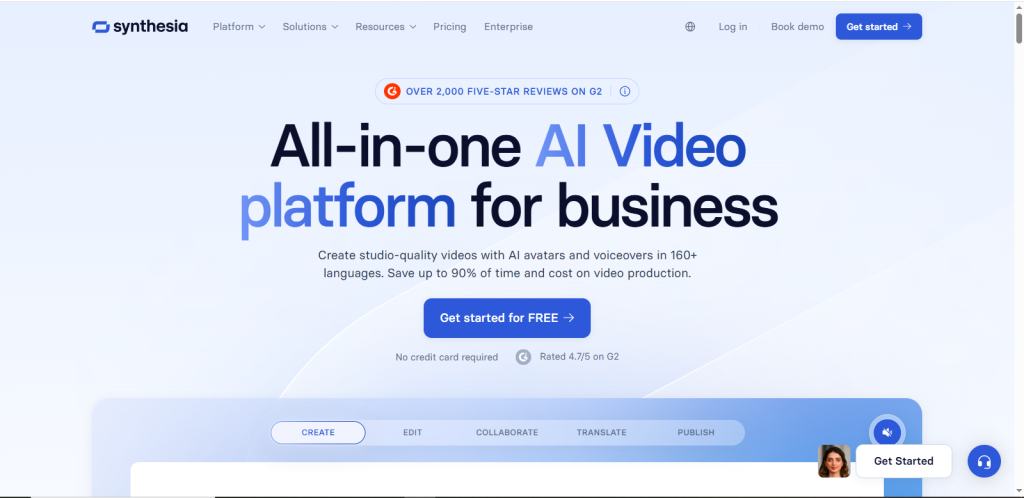
Synthesia is one of the most established AI video avatar generators, widely used by enterprises for training, onboarding, and internal communication. It allows users to convert text into professional videos using realistic talking avatars in over 120+ languages. Its strength lies in structured content creation, making it ideal for organizations that need scalable and consistent video production.Pros
- Highly professional and polished avatars
- Supports 120+ languages for global content
- Strong template library for training videos
- Enterprise grade security and collaboration tools
Cons
- Avatars can feel slightly “corporate” and less expressive
- Limited creative flexibility for marketing style videos
- Pricing can scale quickly for frequent use
Best Use Case
- Corporate training
- Employee onboarding
- Compliance and educational videos
Pricing
- Starter: $18/month
- Creator: $64/month
- Enterprise: Custom pricing
-
HeyGen
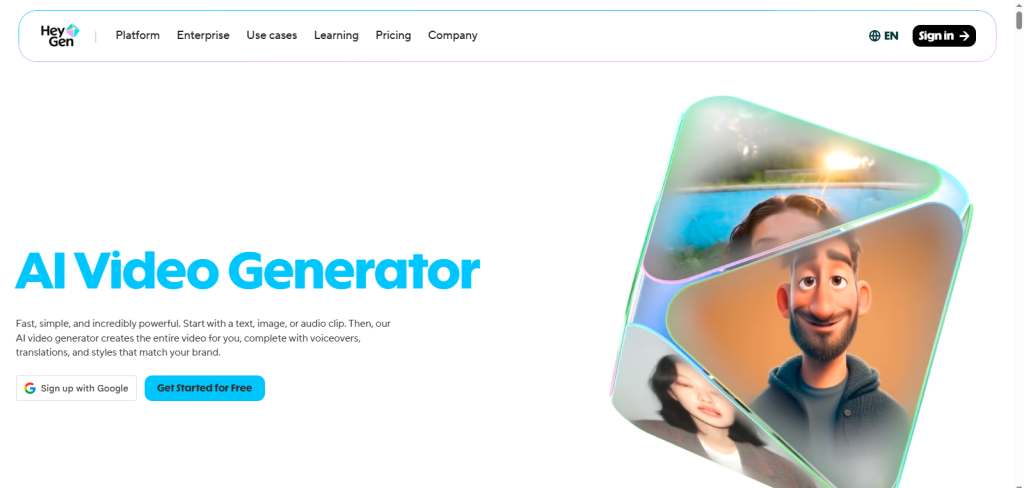
HeyGen is a powerful AI video avatar generator designed for creators, marketers, and small teams. It stands out for its realistic avatars, voice cloning, and highly expressive facial animations. Unlike enterprise-heavy tools, HeyGen focuses on fast, engaging content creation for ads, social media, and YouTube videos. It is among the best AI avatars for YouTube videos.Pros
- Highly realistic and expressive avatars
- Voice cloning and multilingual support
- Fast rendering and intuitive editor
- Ideal for marketing and storytelling
Cons
- Credit based pricing can become expensive
- Some advanced features locked behind higher tiers
- Occasional rendering or sync inconsistencies
Best Use Case
- YouTube automation
- Marketing ads
- Social media content
Pricing
- Free plan available
- Starter creator: $29/month
- Pro: $99/month
- Enterprise: Custom
-
Colossyan
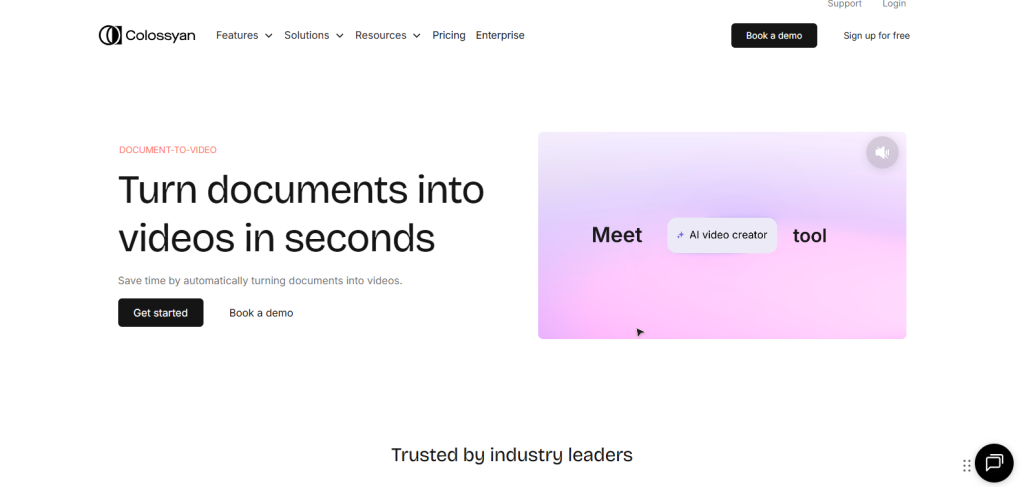
Colossyan is a specialized AI video avatar platform built primarily for corporate training, e learning, and internal communication. Unlike general purpose AI avatar generators, Colossyan focuses on structured content creation, allowing organizations to convert scripts, documents, or slide based material into professional training videos with minimal effort. This makes it particularly valuable for companies that need to produce consistent, large scale educational content across teams and regions.One of Colossyan’s standout strengths is its seamless integration with Learning Management Systems (LMS) and support for SCORM compliant content. This enables businesses to directly embed AI generated videos into training programs, onboarding modules, and compliance courses. The platform also offers a slide based editing workflow, which feels familiar to users accustomed to tools like PowerPoint, reducing the learning curve for non technical teams.
Pros
- Strong LMS and SCORM integration
- Ideal for structured training content
- Affordable compared to enterprise tools
- Interactive features like quizzes
Cons
- Less expressive avatars
- Slightly rigid presentation style
- Limited creative flexibility
Best Use Case
- Corporate training
- E learning modules
- Instructional videos
Pricing
- Starts $19\/month
- Enterprise plans available
-
Elai
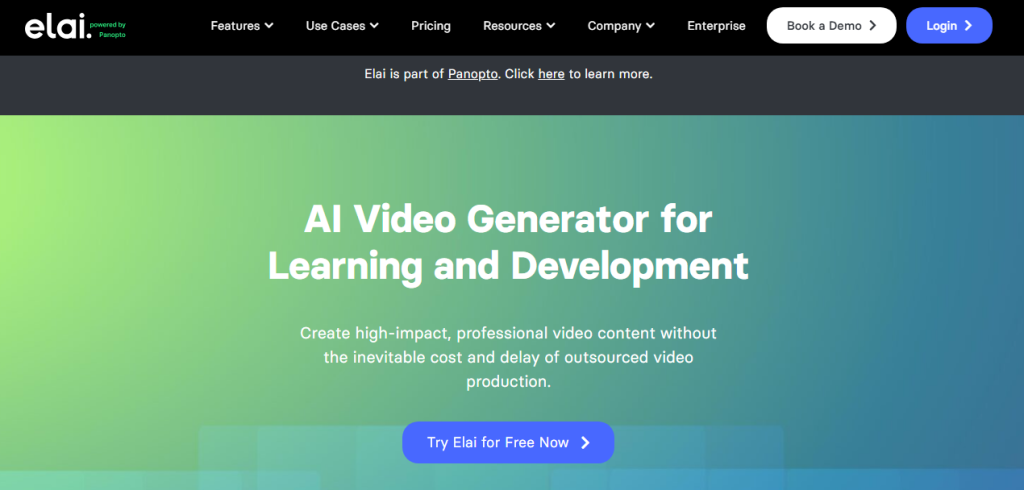
Elai is a scalable AI video avatar platform designed to help businesses create professional quality videos directly from text without needing cameras, actors, or complex editing tools. It specializes in transforming written scripts into engaging talking avatar videos that can be used across multiple business functions such as training, onboarding, marketing, and product demonstrations.One of Elai’s key strengths is its ability to support multilingual video generation, making it highly valuable for global teams and companies targeting diverse audiences. Users can choose from a library of AI avatars or create custom avatars that align with their brand identity. The platform also offers a range of templates, which simplifies the video creation process for users with little to no technical experience.
Pros
- Strong multilingual support
- Custom avatar creation
- Easy to use interface
- Scalable for teams
Cons
- Limited realism compared to top competitors
- Fewer advanced animation features
- UI can feel basic
Best Use Case
- Product demos
- Training videos
- Marketing content
Pricing
- Free plan available
- Paid plans start at $29/month
-
Vidnoz
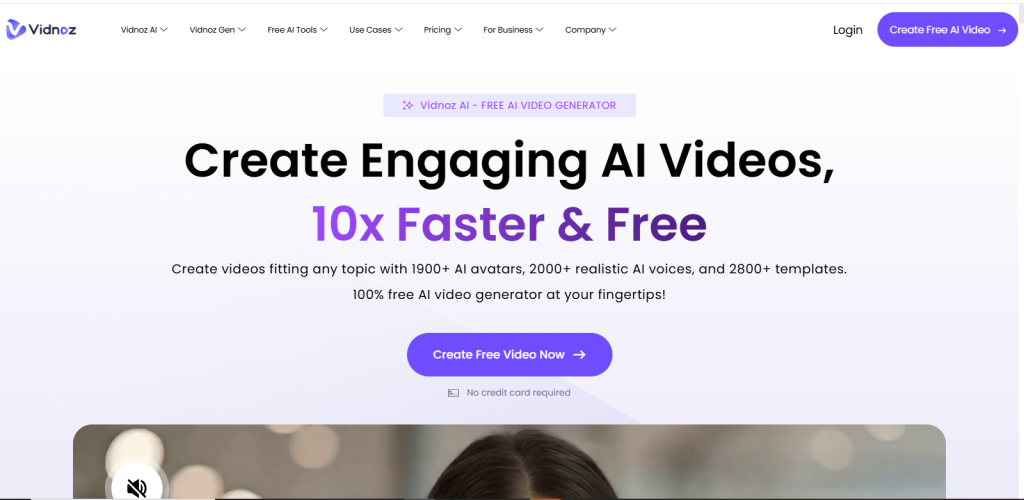
Vidnoz is a free Friendly AI avatar generator designed to help beginners, small businesses, and content creators produce simple avatar-based videos without technical expertise. It provides an intuitive interface where users can quickly generate talking avatar videos by entering text, selecting a template, and choosing from a library of AI avatars.Vidnoz is particularly appealing for users who want to experiment with AI video creation without investing in expensive tools. While it may not offer the advanced customization rendering found in premium platforms, it still delivers solid performance for basic use cases such as social media content, presentations, and short explainer videos. Its accessibility and ease of use make it a practical entry point into AI avatar generation.
Pros
- Free plan available
- Easy to use
- Quick video generation
Cons
- Limited realism
- Basic features only
- Watermarks in the free version
Best Use Case
- Beginners
- Quick social media content
Pricing
- Free plan
- Paid upgrades available
-
Vidyard

Vidyard is primarily a video marketing and sales enablement platform that integrates AI powered features, including avatar like video messaging, to enhance business communication. It is widely used by sales teams, marketers, and customer success professionals to create personalized video messages for leads, clients, and internal communication.Unlike dedicated AI avatar generators, Vidyard focuses on video hosting, analytics, and engagement tracking, making it a comprehensive solution for businesses that want to measure the impact of their video content. Its AI assisted tools help users quickly record, personalize, and share videos, improving response rates and customer interaction. Vidyard is especially valuable for outreach, demos, and relationship building through scalable video communication.
Pros
- Strong sales and CRM integrations
- Easy video sharing
- Good for business communication
Cons
- Not a pure avatar tool
- Limited avatar customization
Best Use Case
- Sales videos
- Business communication
Pricing
- Free plan available
- Paid plans
Animated AI Avatar Generators
Animated avatars are stylized or cartoon Like representations used in creative storytelling. Tools like Canva and Descript offer simplified animated avatar creation.
These avatars are commonly used in:
- Social media content
- Branding videos
- Educational explainers
They prioritize creativity over realism.
-
Canva
Canva has evolved from a simple graphic design tool into a comprehensive content creation platform that now includes basic AI avatar and animation capabilities. While it is not a dedicated AI video avatar generator like Synthesia or HeyGen, Canva provides an accessible entry point for users who want to experiment with avatars without dealing with complex software.Its strength lies in its intuitive drag and drop interface, which allows beginners to create visual content quickly. Users can combine AI generated avatars, animations, text, and media elements within a single workspace. This makes Canva particularly useful for creating social media videos, presentations, marketing visuals, and lightweight explainer content. The platform also integrates AI powered features such as text to image generation, background removal, and basic animation tools, enhancing its versatility.
Canva’s avatar functionality is more aligned with animated or stylized avatars rather than hyper realistic talking avatars.
Pros
- Easy drag and drop interface
- Free plan available
- Multi purpose design tool
Cons
- Limited avatar realism
- Basic animation features
Best Use Case
- Social media content
- Presentations
Pricing
- Free plan
- Pro: 1150 Rs/month
-
Descript
Descript is a powerful all in one platform that blends video editing, audio editing, and AI driven avatar capabilities into a single workflow. It is particularly popular among content creators, podcasters, and marketers who want to simplify production without switching between multiple tools.One of its standout features is its text based editing system, where users can edit videos by simply editing the transcript, making the process intuitive even for beginners. In addition, Descript includes AI voice cloning, overdubbing, and screen recording features, allowing users to produce polished content efficiently.
While it is not a pure AI avatar generator like some specialized tools, its integrated approach makes it highly effective for creators who want both editing flexibility and avatar style presentations in one place.
Pros
- All in one editing + avatar tool
- Easy script-based editing
- Beginner friendly
Cons
- Limited avatar realism
- Not focused purely on avatars
Best Use Case
- Content creators
- Podcast and video editing
Pricing
- Free plan
- Paid plans from $24/month
AI Image Avatar Generators
Image avatar tools generate static avatars or profile images. Platforms like Fotor allow users to create AI generated portraits.
Use cases include:
- Profile pictures
- Branding assets
- Thumbnails
These are not video based but still fall under AI avatar generation.
-
Fotor
Fotor is an AI powered image editing and avatar generation platform that focuses primarily on creating static AI avatars, profile pictures, and digital portraits rather than video based avatars. Unlike advanced AI video avatar generators such as Synthesia or HeyGen, Fotor is designed for simplicity, speed, and accessibility, making it an ideal choice for users who need quick visual assets without technical complexity.The platform uses artificial intelligence to transform photos or text prompts into stylized avatars across multiple art styles, including realistic portraits, cartoon avatars, and artistic illustrations. This makes it particularly useful for social media users, freelancers, and personal branding, where a unique and visually appealing profile image can enhance online presence.
Pros
- Simple and fast
- Good for profile avatars
- Free tools available
Cons
- No video capabilities
- Limited customization
Best Use Case
- Profile pictures
- Branding visuals
Pricing
- Free plan
- Fotor Pro $3.33/mo.
Custom AI Avatars (Your Own Face)
Custom avatars replicate a real person’s face and voice. Tools like D-ID, HeyGen, Rephrase.AI, and DeepBrain AI allow users to upload images or recordings to generate personalized avatars.
These are useful for:
- Personal branding
- Influencer content
- Business spokesperson videos
They require consent and careful handling of identity data.
-
D-ID
D-ID is a lightweight yet powerful AI avatar platform that focuses on transforming static images into realistic talking videos. Unlike traditional AI video avatar generators that rely on pre built avatars, D-ID allows users to upload a photo and animate it with natural looking speech and facial movements. This makes it one of the most accessible tools for beginners and professionals who want quick results without a complex setup.The platform uses advanced deep learning models to generate lip sync, facial expressions, and head movements from text or audio input. This enables users to turn simple images into engaging video content within minutes. Because of its simplicity, D-ID is widely used for quick explainer videos, educational content, personalized messages, and lightweight marketing campaigns.
Pros
- Easy to use for beginners
- Converts photos into talking videos
- Affordable entry pricing
- Fast video generation
Cons
- Less realistic compared to advanced tools
- Limited customization options
- Not ideal for high end production
Best Use Case
- Quick explainer videos
- Educational snippets
- Simple marketing content
Pricing
- Starts around $5.9/month
- Scales with usage
-
Rephrase.ai
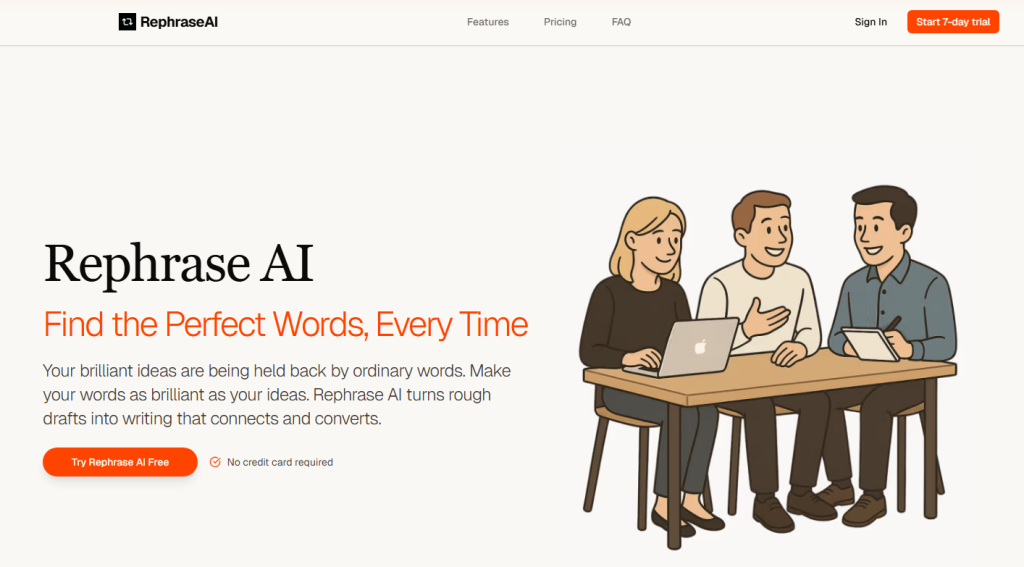
Rephrase.ai is an advanced AI avatar platform designed specifically for personalized video marketing and customer engagement at scale. Unlike general AI avatar generators that focus on content creation, Rephrase.ai is built to help businesses create highly customized, data driven video messages tailored to individual users. This makes it particularly valuable for brands looking to improve conversion rates and customer interaction through personalized communication.The platform uses artificial intelligence to generate talking avatar videos where variables such as the viewer’s name, company, or preferences can be dynamically inserted into the script. This level of personalization significantly enhances engagement, especially in industries like e-commerce, sales outreach, and email marketing. Businesses can integrate Rephrase.ai with CRM systems and marketing automation tools to create and distribute videos automatically, making it a powerful solution for scaling personalized campaigns.
Pros
- Personalized video creation
- Strong marketing integrations
- High engagement potential
Cons
- Expensive
- Limited creative control
- Requires setup for automation
Best Use Case
- Personalized marketing videos
- Sales outreach
Pricing
- Custom pricing
-
DeepBrain AI
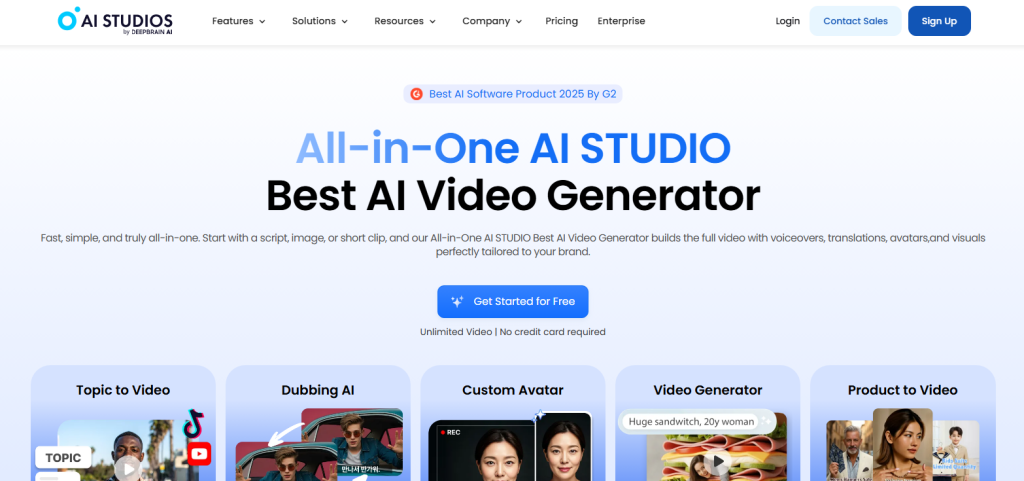
DeepBrain AI focuses on creating hyper-realistic AI humans and conversational avatars powered by advanced deep learning technologies. It is widely used in enterprise environments where both visual realism and real time interaction are critical, such as customer support, virtual assistants, and AI driven kiosks.The platform goes beyond basic script to video generation by enabling interactive conversations, making avatars respond dynamically rather than just delivering pre-written content. This makes it especially valuable for industries like banking, retail, and education, where personalized user engagement is essential.
With its strong emphasis on realism and AI driven interaction, DeepBrain AI is positioned as a premium solution for businesses.
Pros
- Highly realistic avatars
- Real-time interaction capabilities
- Advanced AI technology
Cons
- Expensive compared to competitors
- Requires technical setup
- Not beginner-friendly
Best Use Case
- Virtual assistants
- Customer support
- Enterprise solutions
Pricing
- Custom enterprise pricing
- Personal: $24/mo
Free vs Paid AI Avatar Generators
AI avatar tools are available in both free and paid versions, each offering different levels of functionality.
Key Differences:
- Free tools:
- Limited features
- Watermarks
- Lower export quality
- Paid tools:
- High realism
- Commercial usage rights
- Better voice and customization
- Scalable for business use
How AI Avatar Generators Work (Simple Breakdown)
AI avatar generators combine multiple artificial intelligence technologies to transform simple text or scripts into realistic talking videos. At their core, these tools integrate natural language processing (NLP), text to speech (TTS) systems, and facial animation models to produce human like digital avatars that can speak, express emotions, and move naturally.
The process begins when a user inputs a script or selects pre-written text. The system first analyzes the text using NLP to understand pronunciation, tone, and pacing. This text is then converted into spoken audio using AI voice synthesis. Modern platforms offer multiple voice options, accents, and even emotional tones to match the context of the content.
Once the audio is generated, the system applies lip sync technology to align mouth movements with the spoken words. Facial animation algorithms map phonemes (speech sounds) to corresponding facial expressions, ensuring that the avatar’s lips, eyes, and head movements appear natural and synchronized.
The typical workflow includes:
- Input script or text
- Select an avatar or upload an image/video
- Choose or generate an AI voice
- Apply lip-sync and facial animation
- Render and export the final video
Overall, AI avatar generators streamline video production by eliminating the need for cameras, actors, and manual editing, allowing users to create professional looking videos in minutes.
Why AI Avatars Are Taking Over Video & Marketing
AI avatars are rapidly transforming how businesses create and distribute video content. Today, 65% of the population are visual learners, meaning they retain and recall information most effectively through visuals, while only 30% are auditory learners. This makes video an incredibly powerful educational tool.
Traditional video creation requires studios, cameras, actors, editing teams, and significant time investment. In contrast, AI avatar tools allow brands to generate professional videos directly from text, dramatically reducing both cost and production complexity.
One of the key reasons behind this shift is the demand for video content itself. According to industry research, online video continues to dominate user engagement, with a majority of consumers preferring video over text when learning about products or services.
Another major advantage is speed. Marketing teams can create videos in minutes instead of days or weeks. This is especially useful for campaigns that require frequent updates, such as product promotions, announcements, or social media content. Platforms like Synthesia and HeyGen enable teams to generate videos quickly.
AI avatars also support global scalability through multilingual capabilities. Businesses can easily translate and localize videos into multiple languages without re recording content, making it easier to reach international audiences.
Overall, AI avatars are not just a trend; they represent a shift toward automated, scalable, and cost effective video communication, making them an essential tool for modern businesses aiming to stay competitive in a video first digital landscape.
How to Choose the Right AI Avatar Generator
Choosing the right tool depends on your goals and use case. A structured approach ensures better results.
Key factors to consider:
- Use case: YouTube videos, ads, training, or branding
- Avatar type: Video avatars vs image avatars
- Voice quality: Natural-sounding narration is essential
- Language support: Important for global audiences
- Realism: High-quality visuals improve credibility
- Commercial rights: Required for monetization
- Budget: Free vs paid plans
- Scalability: Ability to produce content at scale
For example, Synthesia is ideal for corporate use, while HeyGen is more suitable for creators producing social media content. Vidyard focuses on sales communication, while Descript combines editing with AI avatars.